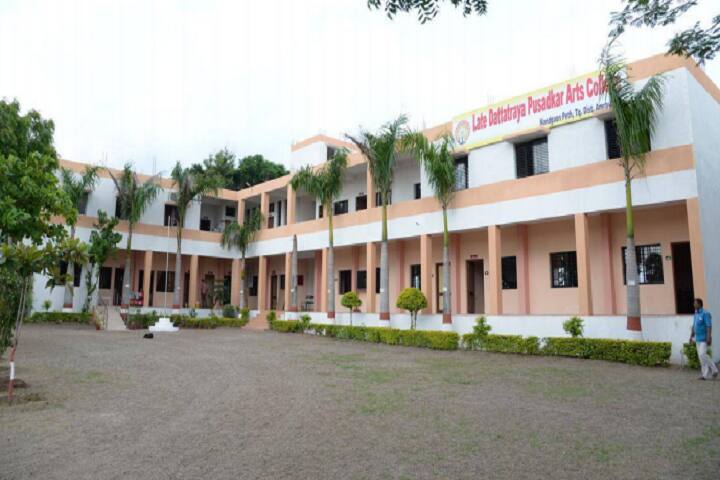
Late Dattatray Pusadkar Arts College, Amravati, was established in 1997. It is one of the beacons of higher education in Maharashtra. This affiliated college spreads over a very compact campus of 0. 3557 acres in Nandgaon Peth. The institution is NAAC accredited and serious about quality education. The college offers 5 courses under arts and humanities, ranging from undergraduate to doctoral levels.
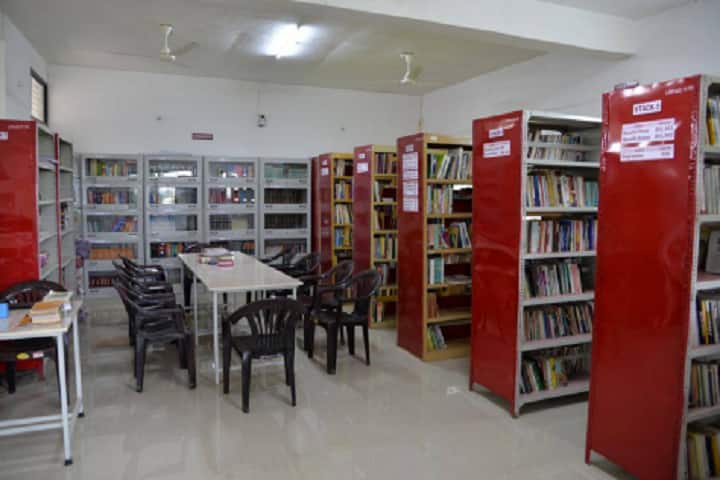
It has a student body of 212, of which 61% are female to 39% male undergraduates. Dedicated support by 8 faculty members . It boasts a host of facilities to improve student life. The library is a treasure trove for academic resources with over 5,500 books and coverage from Social Sciences to Literature.
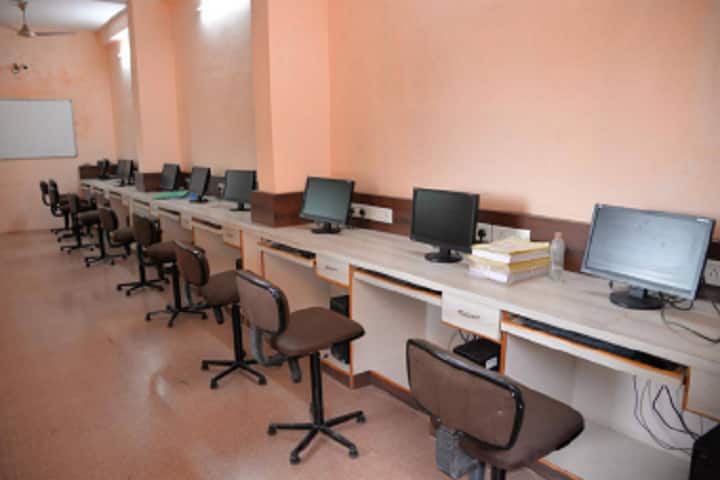
For health and wellness, Late Dattatray Pusadkar Arts College is affiliated to Sant Gadge Baba Amravati University, Amravati maintains a first aid facility and an equipped gym with multi-station machines, treadmills. Sports facilities are available for the development of physical skills of students, and IT infrastructure is maintained for their technological requisites.
A canteen provides refreshment, and the college grounds have considerable parking space. The campus is Wi-Fi enabled and allows for internet connectivity for academic use. In total, Late Dattatray Pusadkar Arts College offers 5 courses , all of which are regular and fall under: one under the undergraduate course, BA ; four courses at doctoral level, that is, Ph. D.
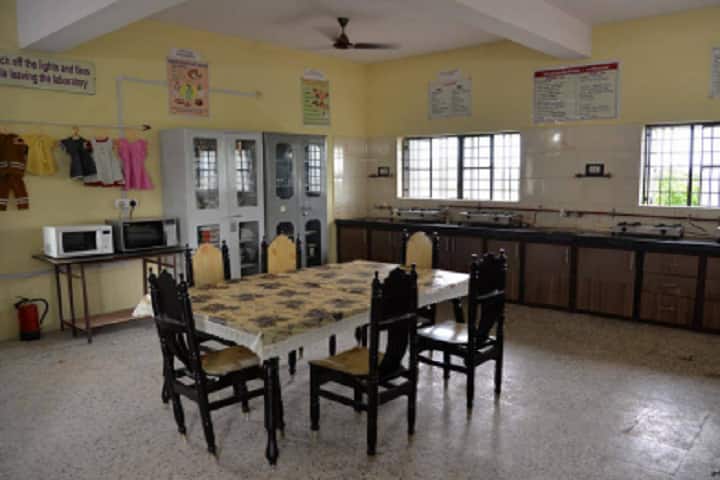
in Marathi, History , Sociology, and Home Economics . That is simply put; the college has a huge focus on bachelor-level study. The opportunities for higher research are available at the level of doctorate. Late Dattatray Pusadkar Arts College has an entrance policy that is more inclusive and merit-oriented.
That would mean there's a lot of local orientation or focus with commitment to meeting the educational needs of the region. The college also demonstrates commitment to financial support; 115 of the 205 undergraduate students received some form of reimbursement or scholarship. Financial aid largely makes higher education accessible to a wider range of students.