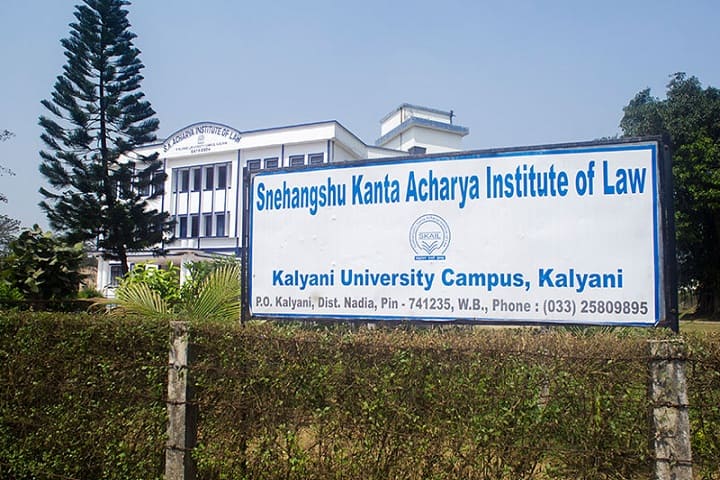
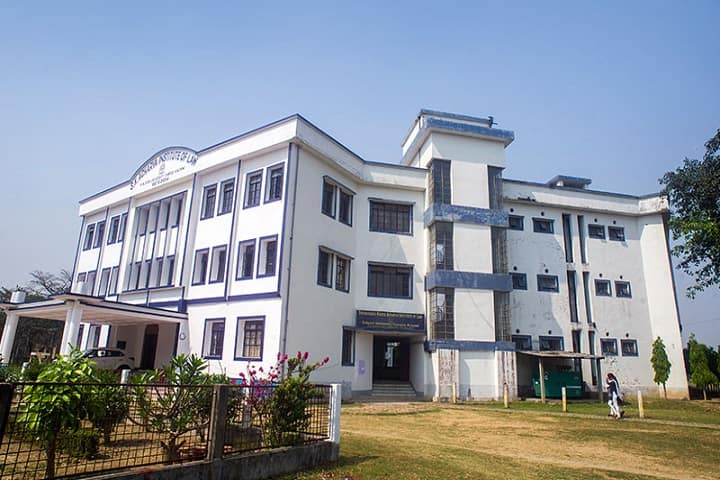
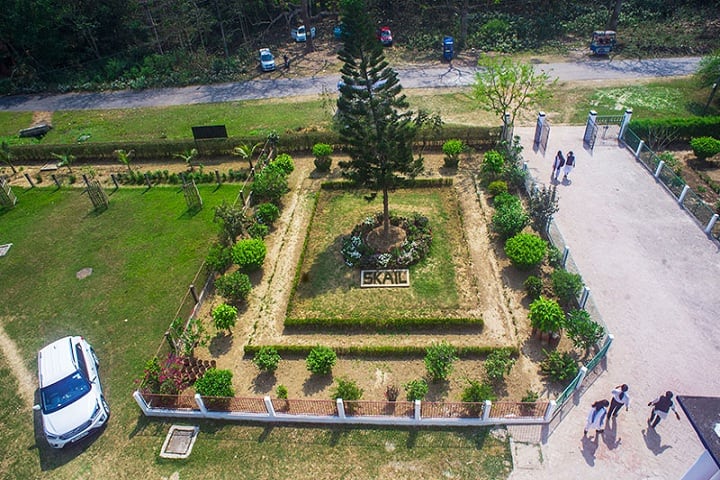
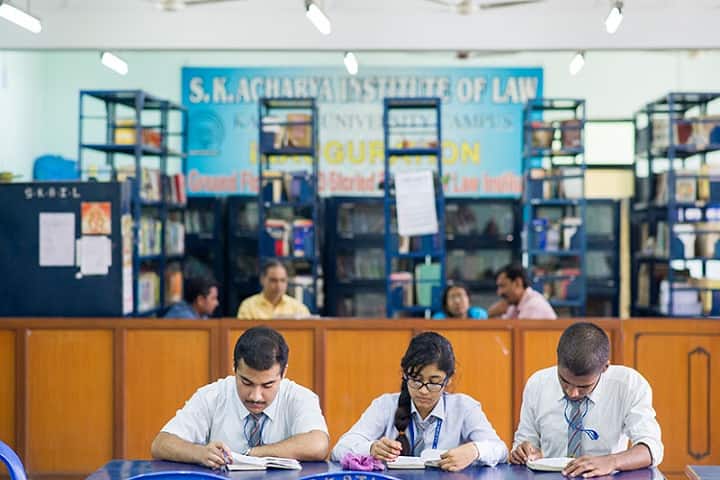
Snehangshu Kanta Acharya Institute of Law, Kalyani is a well-known affiliated college, which came into being in the year of 2004. This Bar Council of India-approved SKAIL offers two comprehensive law programmes across its 7-acre campus.
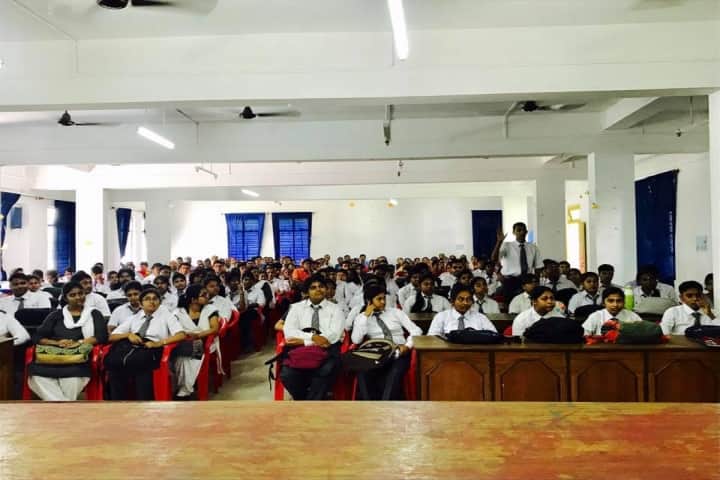
Having a total enrolment of 597 students and a faculty strength of 4, the institute always maintains a very favourable student-teacher ratio, making sure personalised attention and quality education. The infrastructure is truly of world class with facilities worked out to the comfort and improvement of its students.
The library, which constitutes the mainstay of legal education, consists of a vast collection of textbooks, reference books, and journals. A well-designed Moot Court is available at SKAIL for aspiring litigators, named after noted Jurist Late Shri. Sankar Das Banerjee. This 5000 sq. ft.
court on the first floor simulates an actual courtroom where students can practice their arguments and build up confidence for future legal fights. The institute also comprises a language laboratory well-equipped with audiovisual aids to develop communication skills in students, which is another key element for success in the legal profession.
SKAIL offers two full-time courses , 5 years BA LLB (Hons) and 2 years LLM. The mentioned programmes in SKAIL are offered to allow the students to acquire a comprehensive legal education, including theoretical knowledge with practical skills. Course Name Total number of seats Total Fees BA LLB Hons 120 Rs 150000 LLM - - The admission in SKAIL is based on the principle of selecting right students for its courses.
In the case BA LLB, admissions are strictly based on the marks obtained and it is on a first-come-first-serve basis. This type of admission make sure that meritorious students get a chance to pursue their legal education from SKAIL. For LLM, the institute follows a more comprehensive admission method.
Candidates are selected based on performance in an admission test conducted by the institute and their past academic record in the LLB degree examination. The short-listed candidates are invited for a group discussion which forms the basis for final selection.