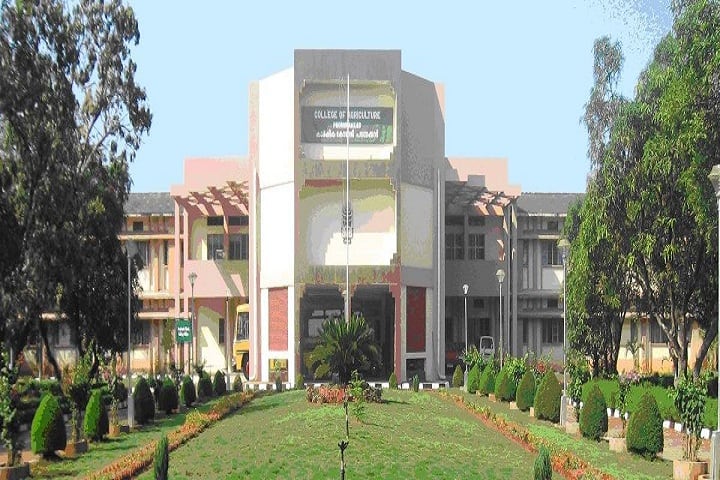
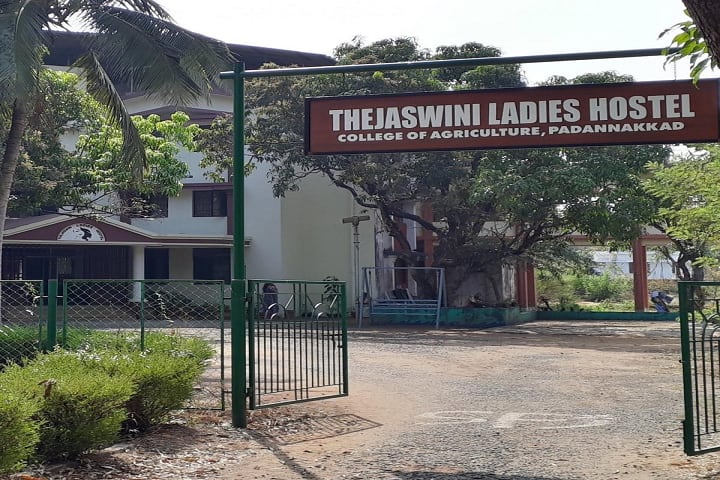
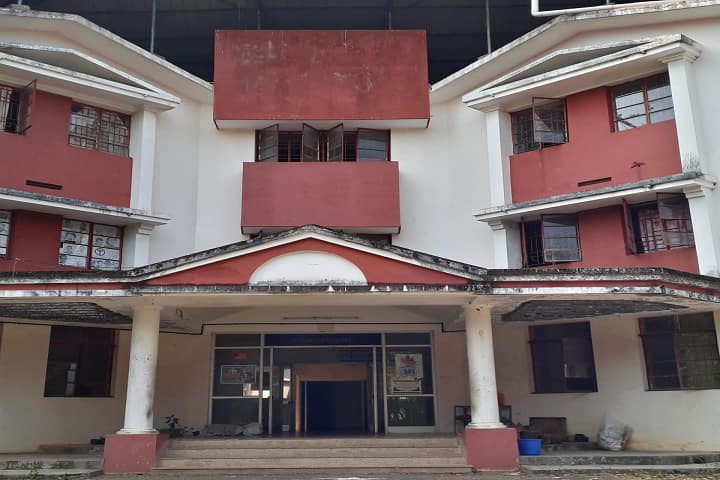
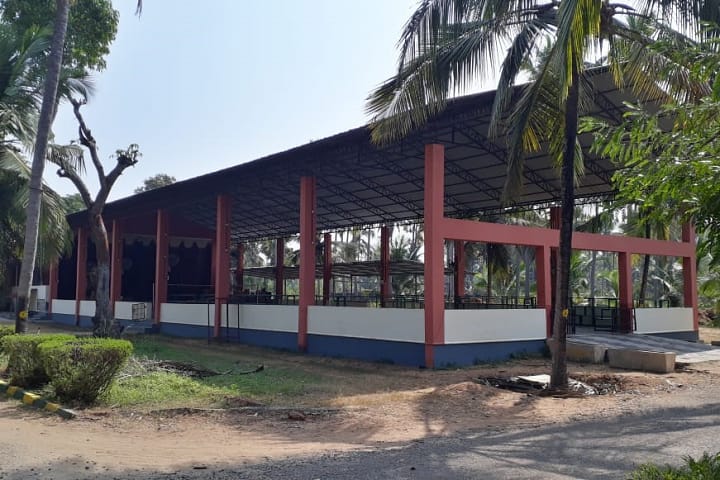
The College of Agriculture, Padannakkad, which was started in 1994, in Kerala, Nileshwaram. Located on a spacious campus of 68 acres, this ICAR approved college has a wide portfolio of agricultural courses. The college has total enrollment of 334 students and have more than 26 qualified faculty members to support the students for academic achievement.
It has 2 degree levels and provides 13 courses in different fields of agriculture as a special concentration. In the College of Agriculture, Padannakkad, facility development is seen as a way to improve the quality of the student’s education experience. The campus includes laboratories for each department that would provide practical training in agricultural sciences.
A good librarian centralizes resources such as books, journals, and digital resources in a library that contains a big list of them. The college possesses two auditorium, one indoor which can accommodate three hundred people and an outdoor type for congregation gatherings.
In terms of the health of students, there is a contemporary gym and great sports equipment for sports like football, basketball, volleyball, cricket, and indoor facilities for some more sensitive sports like table tennis and badminton. The institution provides 13 programmes in its learning curriculum for undergraduate and postgraduate classes. The major one it the B.
Sc Agriculture (Hons) while the master degree courses include M. Sc options in specific area of Agriculture such as Agronomy, Soil Science and Agricultural Chemistry, Plant Biotechnology, Agricultural Entomology, Plant Breeding & Genetics, Agricultural Economics, and other numerous disciplines.
The criteria for admission at the College of Agriculture, Padannakkad are framed in a way to get Python only the best students in the field of agriculture. Lack of detailed procedures for admission to individual courses Aside from academic performance, most agricultural institutions use academic admission requirements, course entry examinations, and, in some cases, interviews.
Percentage of students admitted from other states comprises only 9 percent, while 91 percent of overall students are from the state of Kerala. This is because the differences that exist in every culture makes the learning atmosphere more diverse and means that the student are exposed to different cultures.