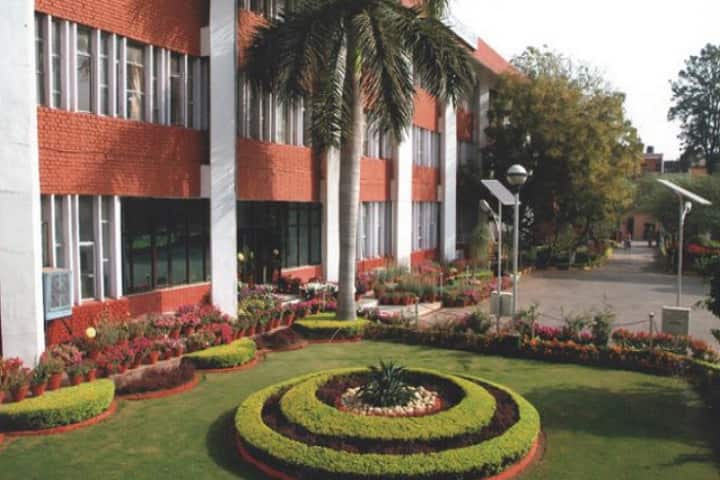
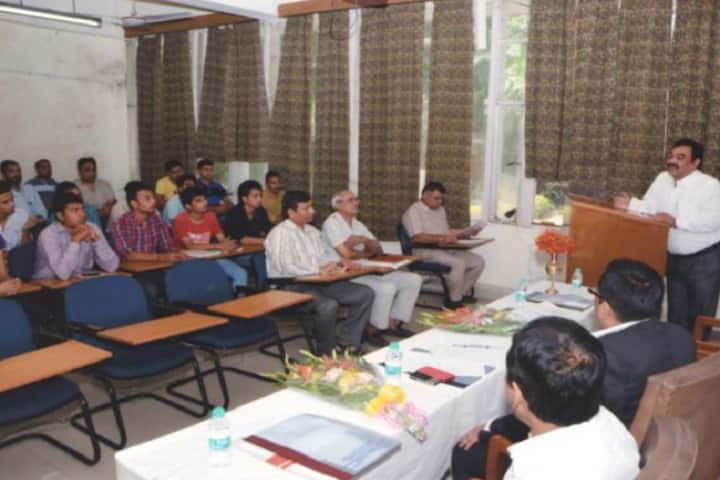
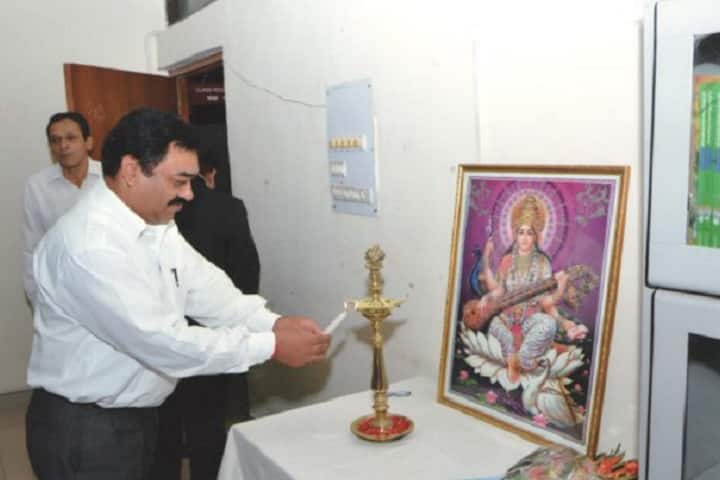
The Regional Institute of Co-operative Management is a famous education centre placed at Sector 32C, Chandigarh. It's a co-educational college established in the year 1956 to offer special courses in cooperative management and agricultural business. The All India Council for Technical Education has duly granted approval for RICM. So far, 6 students are enrolled in two full-time specialised courses at RICM.
Being a small institution, this institution possesses a single faculty strength, due to which all students enjoy individual attention. With its thrust on cooperative and agricultural sectors, RICM plays a very crucial role in developing trained professionals for these key areas of the Indian economy.
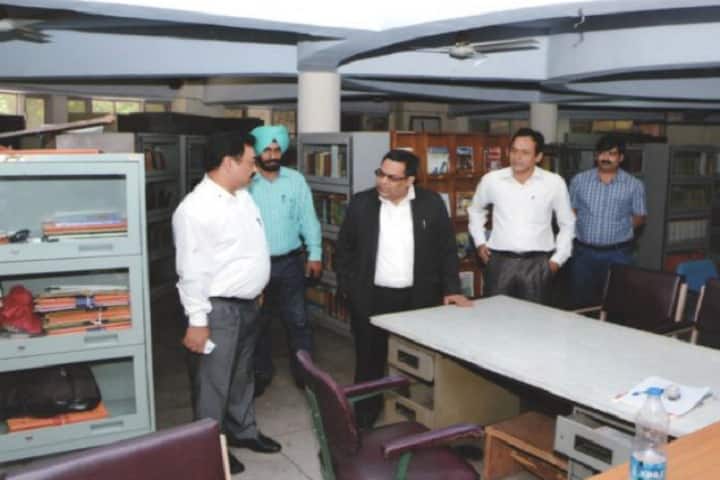
RICM Chandigarh, being a resourceful institute, provides support to the students in learning and exploring the intellectual world. There is a special air-conditioned library with almost 15,000 books dedicated to cooperation, management, finance, banking, and rural development.
The IT infrastructure in the institute has a well-facilitated computer lab with a Local Area Network (LAN) of 25 nodes, giving ample scope for practice for students. Regional Institute of Co-operative Management offers two programmes in its portfolio: a one-year Diploma in Industrial Co-operative Management and a two-year PGDM in Agriculture Business Management.
The two are full-time programmes articulated to meet the changing needs of the cooperative and agricultural sectors. The Diploma enrols 40 students, while the PGDM accommodates only 30. Such specialised courses seek to result in trained professionals for the field to contribute properly toward growth and development within cooperative societies and agribusinesses. Course Name Total No.
of Seats Diploma in Industrial Co-Operative Management 40 PGDM Agriculture Business Management 30 The admission process at RICM Chandigarh considers selection through academic merit or individually set criteria by the College itself. The niche specialisation in these areas makes the institute an attractive option for the aspiring students to make a career elsewhere in the cooperative and agricultural sectors.