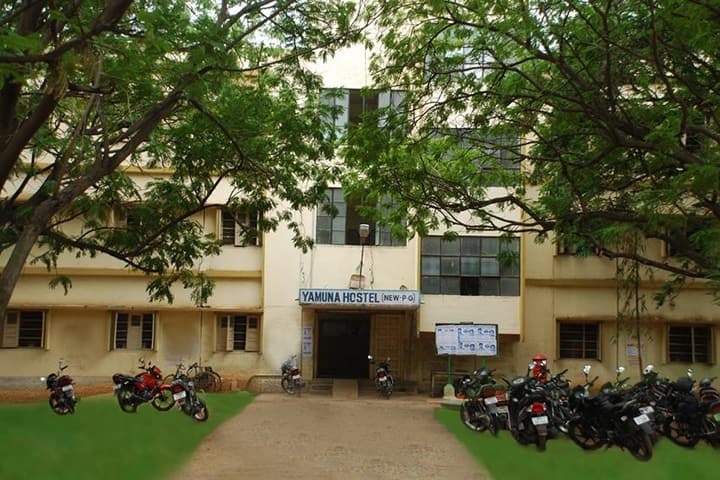
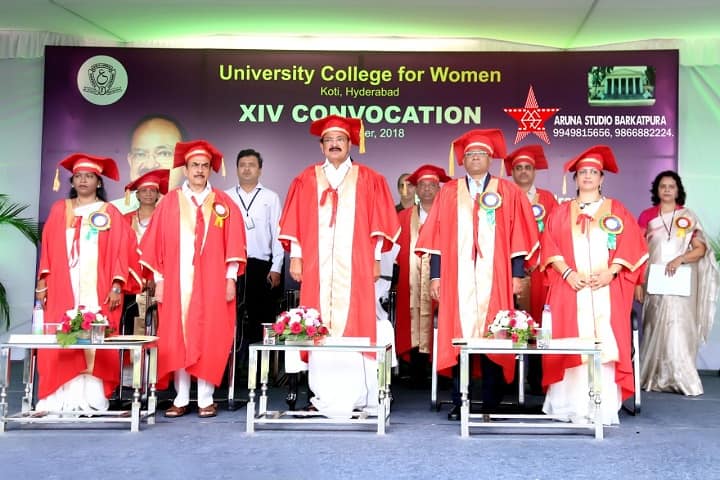
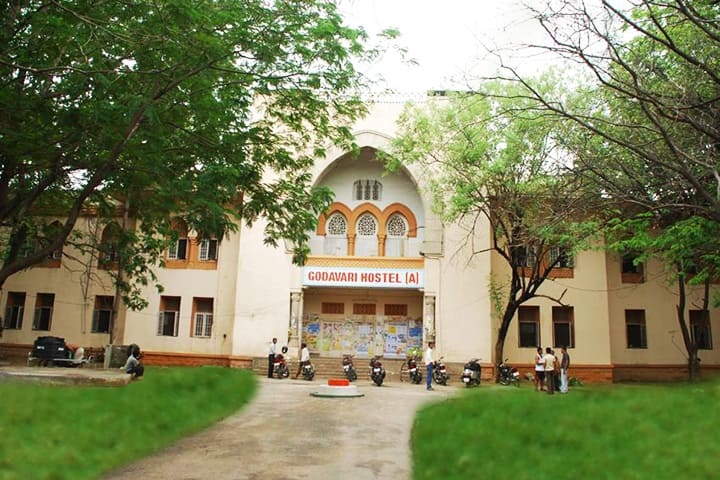
Osmania University College for Women (OUCW KOTI) was founded in 1924; it is autonomous and situated in Hyderabad, Telangana. , This women only college occupies a 42 acres of land and provides 46 courses in ten degree programs. The university enrolled 4,756 students in total and 40 faculty members and therefore KOTI OUCW has appropriate environment for women education.
The college is accredited by NAAC and provides specialisation in Arts, Sciences, Commerce, Management etc. The student demographics, OUCW KOTI includes 73 percent undergraduate and 27 postgraduate students with all the students of the facility coming from within the state. OUCW KOTI provides student services and amenities to improve the learning process of the students.
Currently, the college has accommodation for 865 undergraduate students provided free for those in distance, low family background, or economically challenged. The school boasts of a full-service Health Centre for the treatment of students and other members of staff. It is a well-equipped library with modern system and technology tools including INFLIBNET facilities for on line use of resources.
The college has good networking system with 40 computer systems and four computers for physically challenged students. Other facilities include sports complexes, cafeteria, a hall and Laboratories for various departments. The college also has a gym, and it also supports a great alumni population.
The institution teaches 36 under graduate programmes and 10 post graduate programmes and has a well diversified list of courses being offered. These include full-time, regular course offered in all disciplines including Arts , Sciences, Commerce , and Management.
Degree Name Total Number of Seats MCA 60 MBA 60 PGD in Child Psychology 40 In order to be admitted to the OUCW KOTI, most of the students are selected on merit and by writing entrance examinations. As for the admission, the college considers the marks obtain through Telangana Integrated Common Entrance Test [ TSICET ] for MBA / MCA .
Freshman admission into programmes for the acquisition of first degree is usually determined by the candidate’s performance in the terminal examination of the 10+2 education regime.